
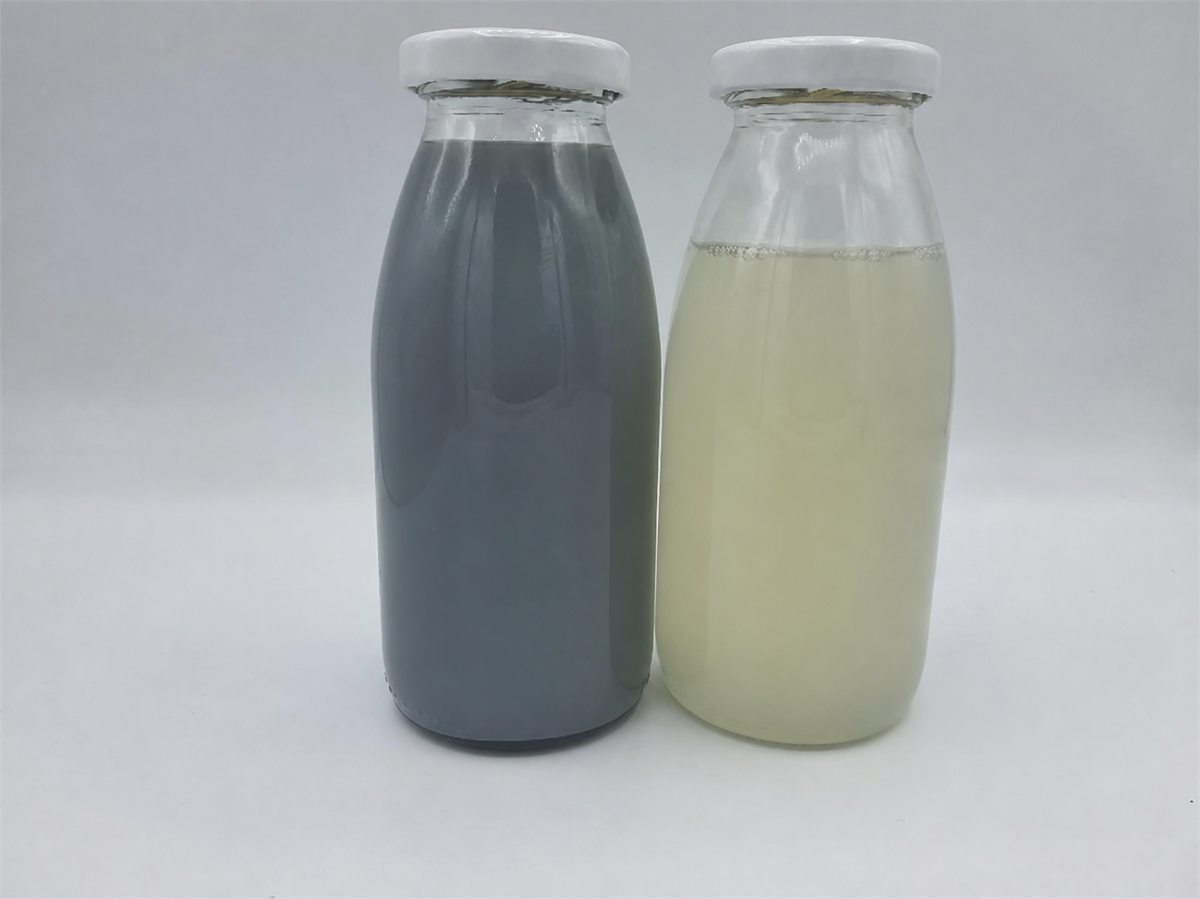
How does industrial solvent recycling work?
Contaminated solvent is collected and fed to the distillation system in a controlled manner. Volatile solvent components evaporate, are condensed and collected as distillate. Non-volatile paint solids and other contaminants remain as concentrated distillation residue.
A clear distillate alone does not prove suitability for reuse. Its composition and behaviour must meet the requirements of the actual paint, cleaning or flushing process. Batsch therefore begins with a trial distillation and a jointly defined quality validation using real material.
Which solvent streams are suitable for recovery?
Suitability depends on composition, boiling behaviour, water content, solids and the required quality at the intended point of reuse.
- Actual material and solvent safety data
- Type, concentration and variation of contaminants
- Daily and monthly quantities
- Quality requirements for reuse
- Site, utilities, tanks and piping concept
Can recovered solvent replace virgin solvent?
Yes, within the application validated for the specific process. The distillate is not virgin solvent supplied by the manufacturer, but it can replace virgin material at the approved reuse point and reduce new-solvent purchasing.
In a fully integrated Closed Loop, the distillate returns directly to production. Regular sampling and continuously recorded process data monitor stable operation.
On-site recycling or external treatment?
| Criterion | On-site Closed Loop | External treatment |
|---|---|---|
| Material route | Recovery and return at the plant | Collection, transport and return |
| Integration | Connected to tanks, piping and production control | Separate logistics and interim storage |
| Quality control | Initial validation and ongoing monitoring | Batch-specific external release |
| System responsibility | Purchase or Batsch operating model | External treatment provider |
What distinguishes the Batsch approach?
Batsch combines SLD system technology with dynamic process control, sensors, monitoring and remote support. The objective is a stable solvent circuit within the live production environment, not an isolated distillation step.
Under the operating model, the customer does not purchase the system. Batsch provides the project-specific equipment and assumes the agreed operation, monitoring, maintenance and service responsibilities.
Direct answers
Frequently asked questions
Can contaminated thinner be reused?
Yes, if trial distillation and quality validation confirm that the distillate meets the requirements of the intended process.
Which recovery rate is achievable?
It depends on solvent, contamination and process conditions. Two automotive OEM trials achieved 96 to 98.5 percent; this is not a universal system value.
What happens to the distillation residue?
Non-volatile components remain as concentrated residue. Its quantity, properties and further handling must be assessed for the actual material stream.
Technical basis
Practical expertise and sources
The technical information on this page is based on Batsch system and project data as well as actual trial distillations. Values are always stated in their application context; confidential customer and project data remain protected.
- Batsch company and project presentations, January 2026 – own data
- EU Waste Framework Directive and waste hierarchy